
Why the abdomen doesn't bounce back with diet and exercise alone
When someone loses a significant amount of weight — whether through bariatric surgery, lifestyle changes, or both — the skin and connective tissue of the abdomen typically lose much of their elasticity. The result is excess, loose skin (sometimes called an “abdominal apron”) that no amount of training can retract, because it's no longer a matter of fat but of excess skin and a weakened muscle wall.
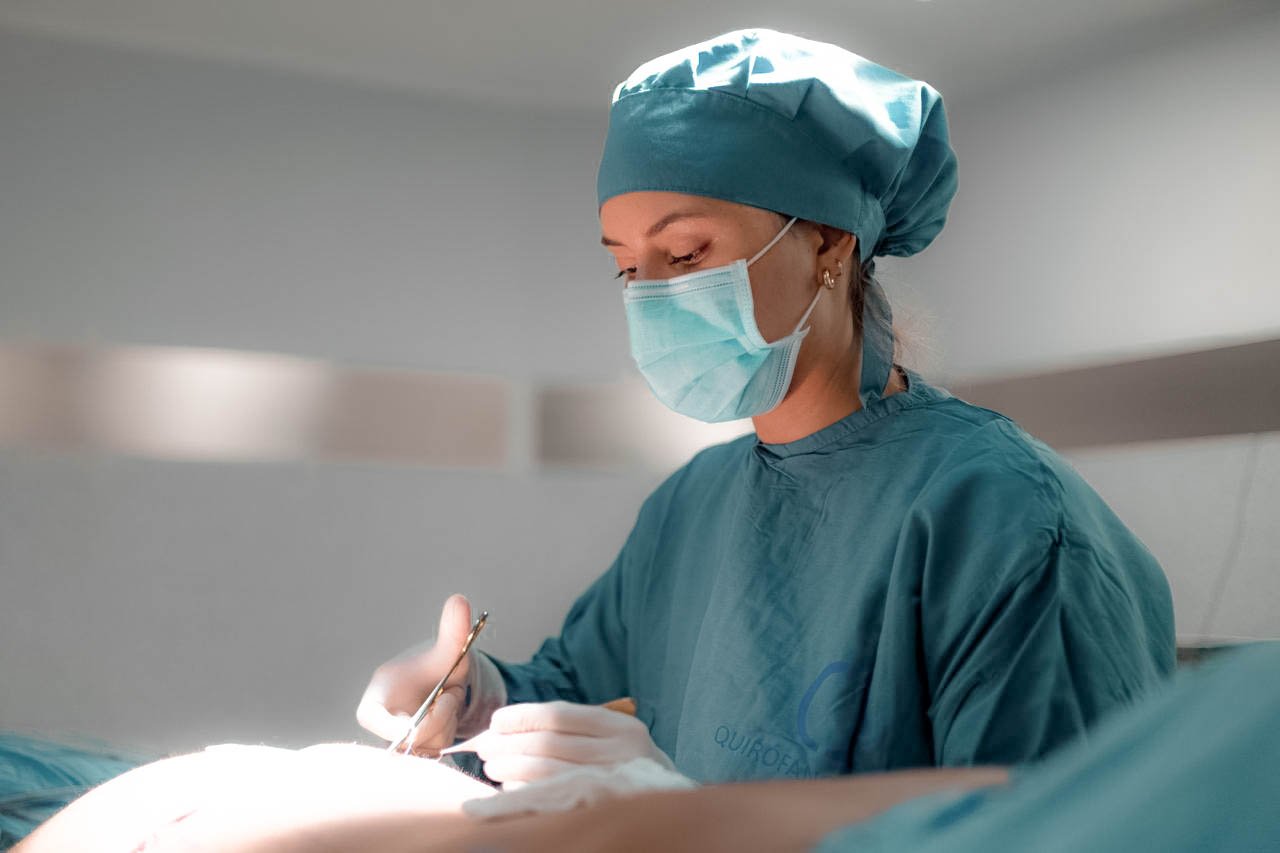
Post-bariatric abdominoplasty removes that excess skin and tissue, and in most cases includes muscle plication (repairing the abdominal muscles, which are often separated after pregnancy or prior obesity) to rebuild a firm abdominal wall.
How is it different from a standard cosmetic tummy tuck?
Post-bariatric abdominoplasty usually addresses a much larger amount of skin, and is often planned together with other body contouring procedures (like torsoplasty), since the excess skin is rarely limited to the abdomen alone. Patients coming from a major weight-loss process also typically need a nutritional and metabolic evaluation that differs from that of a patient seeking a purely cosmetic refinement.
That's why, in the HENKO program, the process doesn't start in the operating room — it starts with a comprehensive evaluation that includes clinical nutrition and, when needed, psychological support, before the surgical plan is defined.
Who is a candidate?
Generally, candidates have a stable weight (not actively losing), an adequate nutritional status, and no medical contraindications for surgery. Every case is different, which is why an in-person or video evaluation with the surgeon is the essential first step before any decision.
Traveling to Colombia for this procedure
Many international patients choose to combine board-certified surgical care with a recovery period in Medellín. HENKO's concierge program — private nursing for the first 24 hours, specialized transport, and a complete post-op recovery kit — is designed to make that logistics-heavy part of medical travel as simple as possible, so you can focus on healing.
Recovery: what to generally expect
Recovery varies by patient and by the extent of surgery, but generally involves relative rest for the first few weeks, use of a compression garment, and a gradual return to physical activity over the following months. Post-operative follow-up — pain management, wound care, and nutritional support — is just as important as the surgery itself for a good outcome.